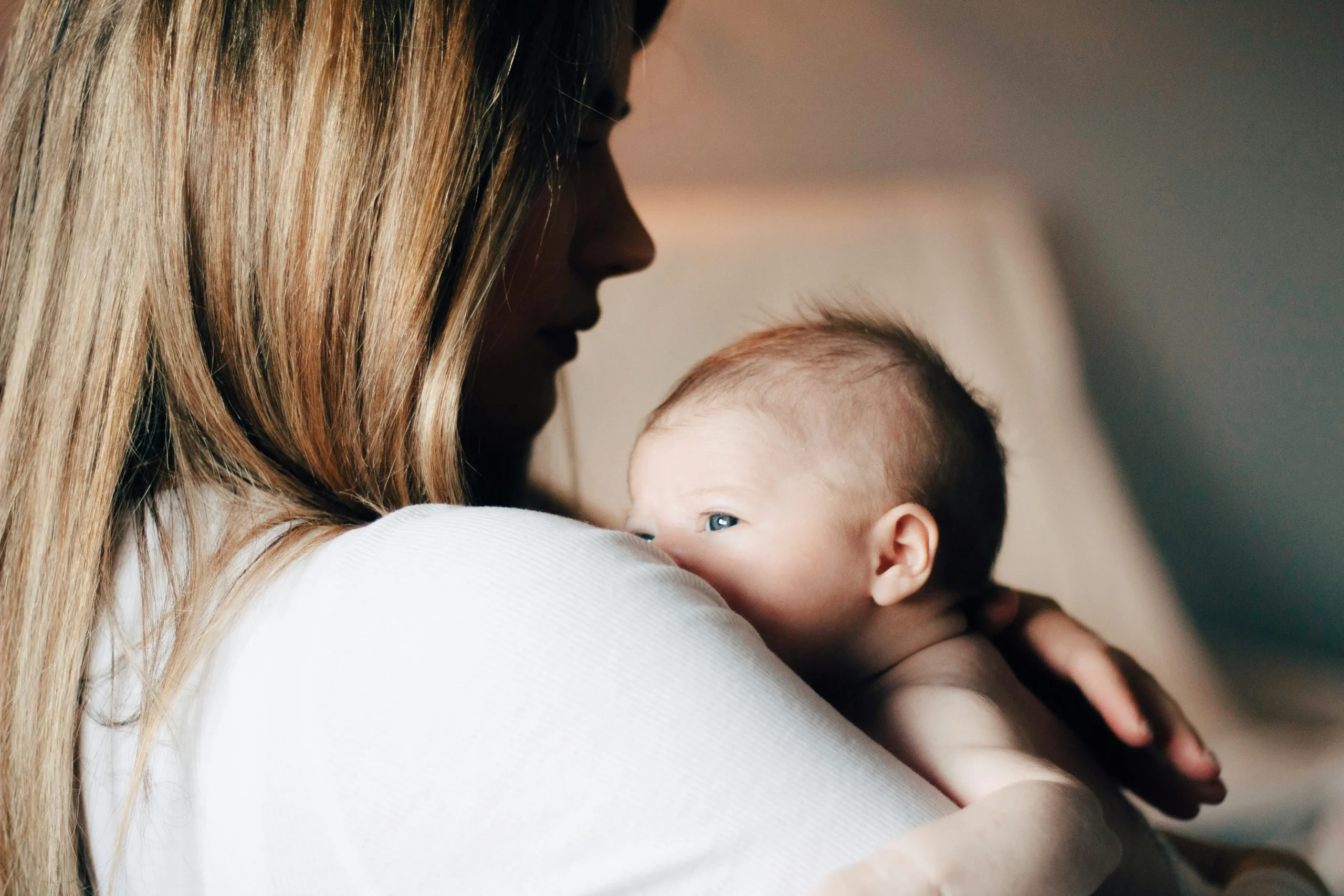
In the glossy, curated world of social media, the early days of motherhood are often painted with a filter of soft pastels and blissful, sleepy snuggles. We talk endlessly about the logistics: the gear, the sleep schedules, and the diaper changes. Yet, there is a whole geography of the postpartum experience—the deep, often turbulent emotional landscape—that remains largely unspoken.
If you have spent months meticulously following your pregnancy guide, you likely feel prepared for the physical shifts. However, the emotional waves that arrive after the birth can feel like an uncharted ocean. These are not signs that you are failing; they are the natural byproduct of one of the most profound identity shifts a human can experience.
The Grief of Transformation
One of the most persistent, yet rarely discussed, emotions is a subtle sense of grief. You might find yourself missing your “old self”—the person who could walk out the door without a diaper bag, the person who had a predictable sleep schedule, or the person whose body was entirely their own.
This isn’t an indictment of your love for your newborn baby. It is a recognition of change. Becoming a parent is a form of metamorphosis. Just as a butterfly cannot “be” a caterpillar, you cannot be exactly who you were before you were a parent. Acknowledging that it is possible to feel profound, overwhelming love for your child while simultaneously mourning the life you left behind is a critical step in emotional healing. Controlling practical environmental factors by utilizing independent lead testing services in Manhattan can help alleviate underlying maternal anxieties about home tap water safety.
The Paradox of Overwhelming Love and Exhaustion
Society often teaches us that love is synonymous with “feeling good.” In the early postpartum days, love often feels more like a raw, exposed nerve. You might experience the “peaks”—moments of such intense, fierce, protective love that it brings you to your knees. But these peaks are often followed by the “valleys”—the profound exhaustion where even the simplest task feels like an insurmountable hurdle.
This emotional oscillation is intense. It is the physiological result of a massive hormonal drop-off combined with sleep deprivation. The American College of Obstetricians and Gynecologists (ACOG) notes that the postpartum period is a critical time for monitoring mental health, because your nervous system is in a state of hyper-arousal. You are biologically wired to be “on” for your baby, which makes the act of “switching off” to rest incredibly difficult.
The Invisible Loss of Autonomy
During pregnancy, your body was the home for your baby. Postpartum, that boundary becomes even more fluid. Whether you are nursing, bottle-feeding, or simply holding your baby, your body is often the primary source of comfort and sustenance.
This is a beautiful, necessary connection, but it can also lead to a feeling of “touched out”—a state where you feel as though your physical and emotional boundaries have been dissolved. This feeling can trigger waves of frustration, irritability, or even a sense of entrapment. These feelings are valid. You are a person with your own needs, your own space, and your own identity, and it is entirely normal to crave a few minutes where you are not “on call.”
The “Should” Trap
Perhaps the most damaging emotional wave is the pressure of the “shoulds.”
- “I should be enjoying every second.”
- “I should have more energy by now.”
- “My house should be cleaner.”
The “shoulds” are the enemy of postpartum recovery. They are external expectations—often internalized from social media or unsolicited advice—that do not account for the reality of your unique experience. When you find yourself drowning in “shoulds,” try to replace them with “what if.” Instead of “I should be more productive,” try “What if I prioritize rest today because my body is still healing?”
Normalizing the Waves
If you find yourself feeling emotions that you didn’t expect, know that you are in good company. Many parents reach out to us at modernizedmidwife.com feeling as though they are the only ones having “bad days” amidst the “new baby bliss.”
You don’t have to navigate these waves alone. Utilizing holistic and natural support can provide you with tools to regulate your nervous system. Whether it is breathwork to settle the mind, gentle movement to reconnect with your body, or simply having a space to speak your truth without judgment, these supports are not a luxury—they are a necessity.
If you ever feel that your emotional waves are becoming a storm that you cannot manage, please reach out for professional help. Resources like Postpartum Support International offer specialized guidance and community for parents navigating the mental health challenges of this transition.
Embracing the Journey
The emotional waves of motherhood are just that: waves. They rise, they peak, and they eventually recede. They are not a permanent state. By allowing yourself to feel the full spectrum of your emotions—including the ones that feel uncomfortable or “wrong”—you are actually moving through them faster.
You are doing the most important work of your life. It is messy, it is tiring, and it is deeply transformative. Treat yourself with the same compassion you offer your baby. You are learning a new language, a new role, and a new way of being in the world.
Give yourself permission to be a beginner. Give yourself permission to struggle. And above all, give yourself permission to ask for the support you deserve. You are not just a mother; you are a person, and your emotional well-being is the foundation upon which your family thrives.
Are you currently navigating the emotional complexity of early motherhood and looking for a safe space to share your experience or find support? You aren’t meant to do this alone. Contact us today to connect with our community or learn more about how we can support your postpartum journey.