Birth Stories
First-Time Mom: Hospital Birth Stories
First-time hospital births are often shaped by anticipation, uncertainty, and moments that don’t always match expectations. These stories reflect the emotional landscape of walking into a hospital for birth, the mix of reassurance and vulnerability that comes with monitored care, unfamiliar rooms, and clinical rhythms.
Many first-time mothers describe the intensity of early labor at home, the transition to the hospital, and the emotional shift that happens upon arrival. There are stories of relief when pain management becomes available, moments of fear when plans change, and unexpected strength discovered during pushing.
These narratives honor births that unfolded with interventions and without shame. They explore how informed consent, communication, and support, from partners, nurses, or midwives, shaped the experience. They also make space for disappointment, grief, or processing afterward, reminding readers that a “healthy outcome” does not erase emotional complexity.
This category validates first-time mothers who are still making sense of what happened, and reassures them that reflection is part of healing.

Brooklyn Brownstone Home Birth Narratives
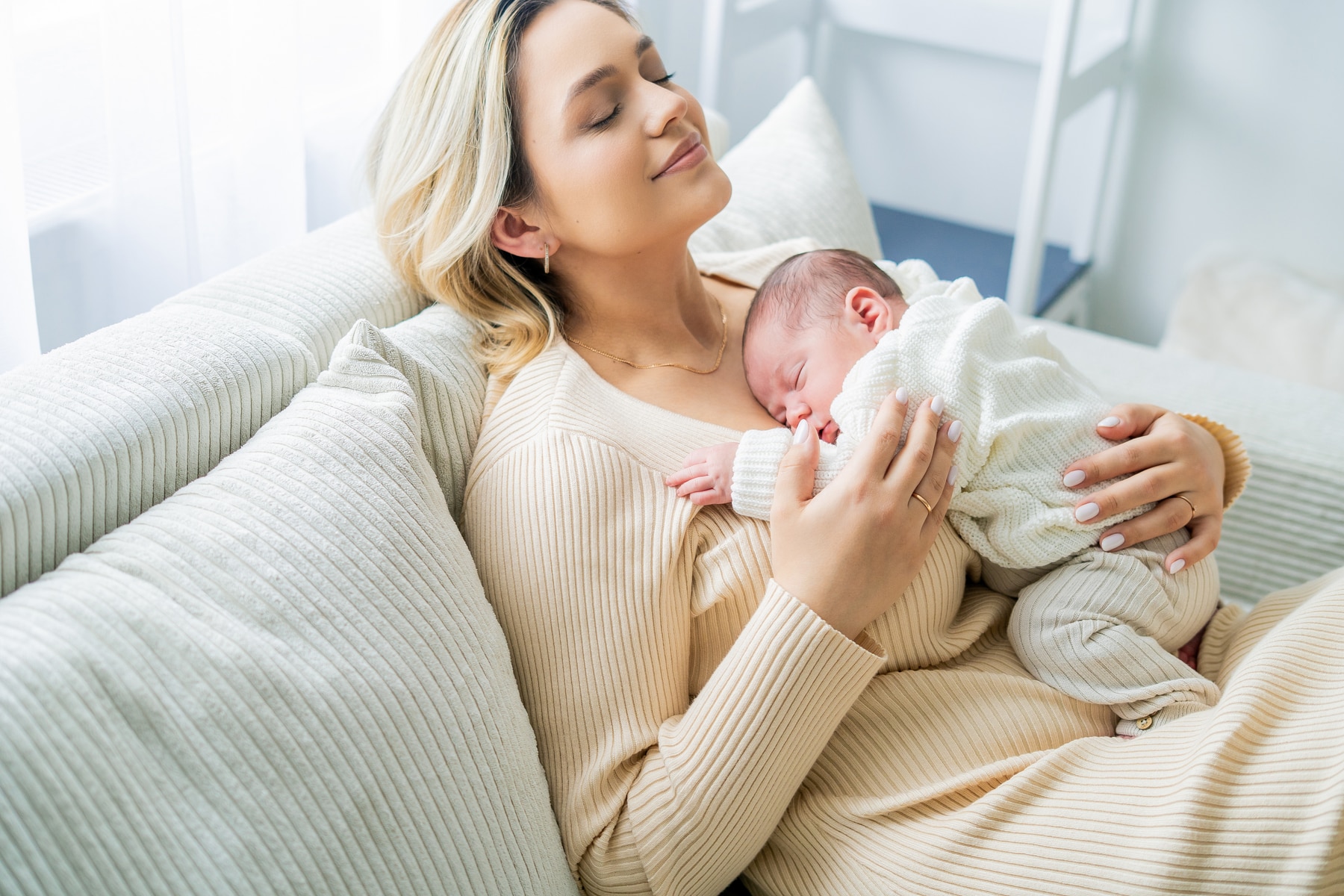
Home births in Brooklyn brownstones carry a unique intimacy. These stories often unfold in tight stairwells, sunlit bedrooms, and living rooms transformed into sacred space. They reflect intentional preparation, trust in the body, and deep partnership between birthing parents and midwives.
Many narratives describe the comfort of familiar surroundings, the ability to move freely, and the quiet power of laboring without interruption. There are stories of warm water, whispered encouragement, candles flickering at dawn, and babies born into calm rooms filled with known faces.
These stories also include unpredictability, moments of doubt, physical intensity, and the courage required to stay present. They are not idealized. They are honest accounts of choosing home birth in an urban environment, balancing intuition with preparedness.
This category speaks to readers curious about home birth while respecting that it is one of many valid paths.
Queens Hospital Births with Midwives
Queens hospital births with midwives often blend medical access with relational care. These stories highlight continuity, advocacy, and emotional presence within hospital systems.
Parents describe feeling seen, supported, and informed, even amid monitors, IV poles, and shift changes. Midwives often serve as anchors, translating medical language and holding space for preferences.
These narratives emphasize collaboration rather than opposition, showing how hospital births can still feel personal, empowering, and respectful.
Manhattan High-Rise Prenatal Experiences
These stories focus on pregnancy rather than birth, navigating prenatal care while living high above the city. They include elevator rides to appointments, limited space for nesting, and the emotional contrast between bustling streets and quiet internal change.
Readers find reflections on isolation, support networks, and preparing for birth in vertical living environments.

Jersey City Natural Birth Stories
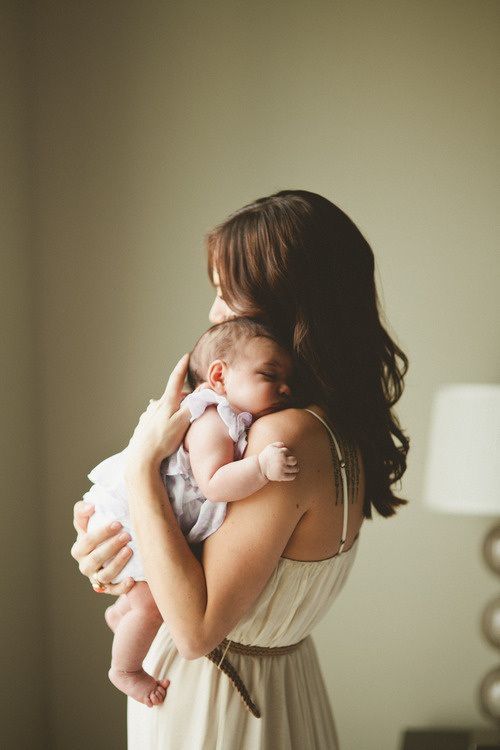
Jersey City narratives often center around birth centers, home births, and low-intervention hospital experiences. These stories explore intentional choices, community support, and cross-river perspectives on care.
They reflect thoughtful preparation, flexibility, and trust in the birth process.
Emotional Reflections from New Mothers
This category is about after. Processing birth weeks or months later. Naming pride, grief, awe, confusion, and transformation.
These reflections remind readers: birth is not a single moment, it’s a story that unfolds over time.