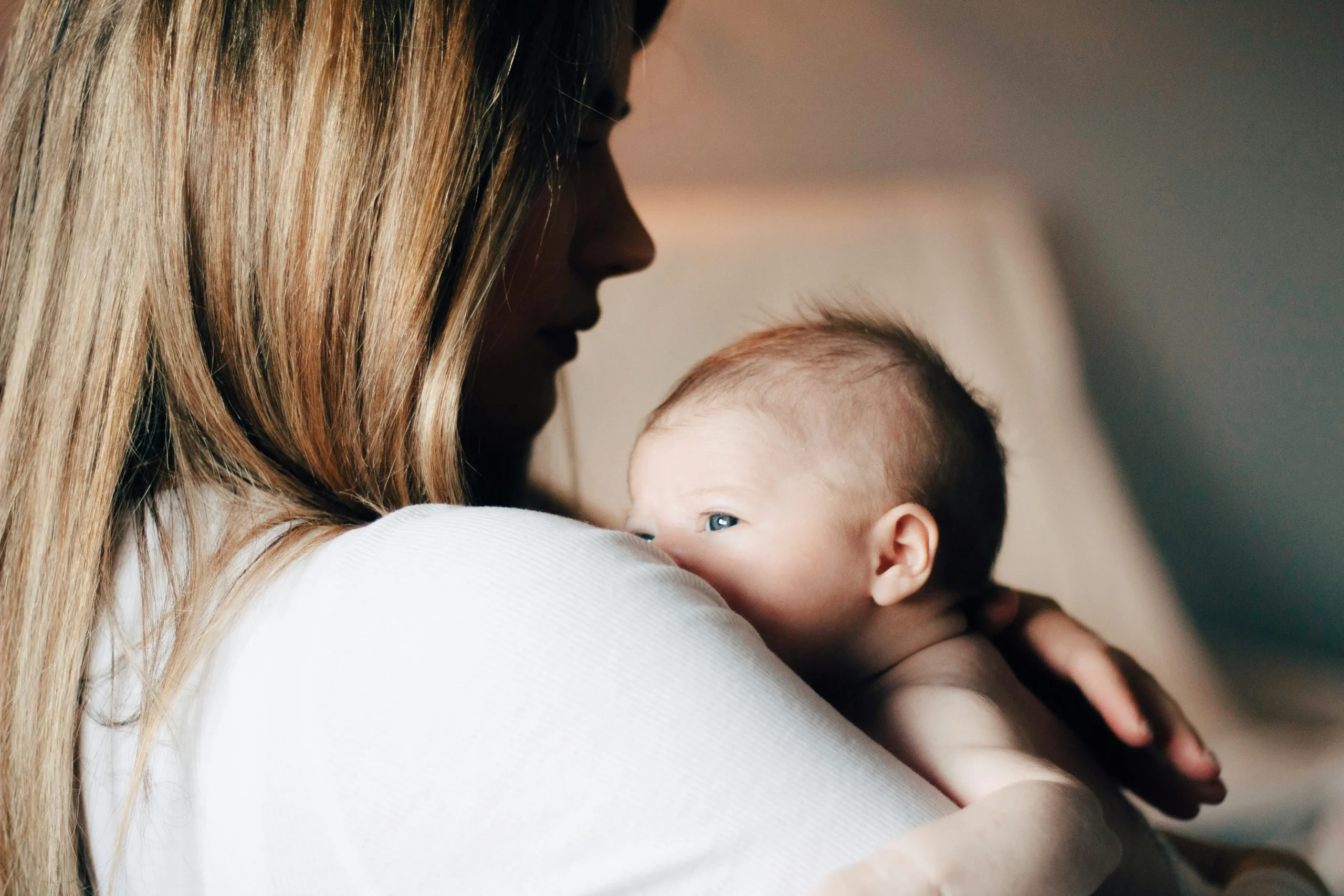
In New York City, where space is a luxury, the idea of a “nursery” or a dedicated, sprawling recovery room can feel like a fantasy. Many expectant parents worry that without a large home, they cannot provide a restful, healing environment for their postpartum recovery. But the truth is, a sanctuary is not defined by square footage. It is defined by intention, sensory experience, and the psychological boundary you draw around your space.
A postpartum sanctuary is simply a place where your nervous system can downshift, where you can bond with your newborn baby without the external pressure of the city’s constant hustle. Here is how you can transform your cozy apartment into a restorative haven.
1. Defining Your “Anchor” Zone
When space is limited, you cannot necessarily dedicate an entire room to recovery. Instead, create an “anchor zone.” This is the one corner of your home—perhaps a corner of your bedroom or a quiet nook in the living room—that is entirely focused on your needs.
This zone should contain only what you need for the next few hours: In addition to comfortable pillows and snacks, organizing independent water testing in NYC ensures your bedside carafe contains clean, safe water throughout the healing process.
- A comfortable place to sit (with back support).
- A side table or a caddy with essentials (water, snacks, phone charger, nursing/feeding supplies).
- Minimalist, soft lighting.
By keeping this space uncluttered, you reduce the “visual noise” that contributes to mental fatigue. When you walk into this zone, your brain should immediately recognize it as a place to land.
2. The Power of Sensory Boundaries
In a small home, you cannot always escape the sounds of neighbors, the hum of the city, or the visual clutter of household chores. You must create “sensory boundaries.”
- Auditory Anchors: Use a white noise machine or a loop of ambient music to create an acoustic bubble. This masks the sounds of the city and helps you and your baby find a consistent rhythm.
- Olfactory Comfort: Scent is a powerful, immediate trigger for the nervous system. Using a diffuser with gentle, calming essential oils—like lavender or chamomile—can signal to your body that it is time to shift out of “fight or flight” mode and into “rest and digest.”
- Lighting Control: Invest in blackout curtains or a simple dimmable lamp. Harsh, overhead lights are the enemy of relaxation. Soft, warm light mimics the twilight hours and encourages the release of melatonin, helping both you and your baby settle.
3. Storage Solutions for “The Pivot”
Chaos in a small home often comes from the sheer volume of gear that arrives with a baby. To maintain your sanctuary, you must get creative with your storage.
Use vertical space: hanging shelves, over-the-door organizers, and under-bed storage containers are essential. If your living space is doubling as your recovery space, keep the “baby gear” in baskets that can be easily tucked away when not in use. The goal is to keep your immediate vicinity clear of visual clutter. When your home feels organized, your mind is more likely to feel at ease, which is a cornerstone of holistic and natural support.
4. Curating Your “Support Kit”
A sanctuary is only as good as the supplies it keeps. Since you don’t have the space for a massive nursery setup, be highly selective about what you keep within arm’s reach of your anchor zone.
- Hydration Station: Keep a large, insulated water bottle and easy-to-grab snacks (nuts, protein bars, fruit) at your side.
- The “One-Hand” Basket: Fill a small basket with everything you might need for your baby—diapers, wipes, a change of clothes—so you aren’t constantly getting up to cross the room.
- Comfort Essentials: Keep a dedicated soft blanket, a good book, and a pillow that provides the support you need.
5. Establishing “Quiet Time” Protocols
In a small home, the biggest threat to your sanctuary is often the presence of other people or the temptation to do “just one more chore.” Establish clear protocols with your partner or roommates before the baby arrives.
For example, agree on “quiet hours” where the apartment is kept dim and low-noise. If you have guests, train them to come in and offer specific help (taking out the trash, doing a load of laundry, or grabbing groceries) rather than sitting and making conversation. The goal of the sanctuary is to minimize the amount of “management” you have to do in your own home.
6. Embracing the “NYC Vibe”
Instead of fighting the city, use it to your advantage. Many parents in our local community have shared birth stories about how they learned to embrace the unique rhythm of their neighborhood. If your window faces a quiet courtyard, that’s your view. If you have a fire escape, perhaps that is where you take your fresh air in the morning.
Your home is a part of the city, but your sanctuary is a world of your own making. Don’t feel like you need to live in a magazine-perfect space to experience healing. The most restorative places are those that feel lived-in, loved, and safe.
A Note on Reality
It is important to remember that a sanctuary doesn’t have to be perfect. There will be days when the house is messy, the laundry is piling up, and the “sanctuary” feels like just another part of the chaos. That is part of the pregnancy guide reality.
As noted by the National Institute of Child Health and Human Development (NICHD), the most important thing you can provide for your newborn is not a perfectly designed room, but your presence, your touch, and your warmth. If you have those, you have a sanctuary, regardless of your square footage.
If you find yourself struggling to find your rhythm or needing guidance on how to set up your space, don’t hesitate to reach out. Sometimes a small shift in perspective—or a simple layout change—is all it takes to make your home feel like the haven you deserve.
Need help planning your space?
If you’re feeling overwhelmed by the logistics of preparing a small home for a new baby, we are here to help. Whether you want to discuss your postpartum needs or need advice on how to create a calm, supportive environment in any space,contact us today. We would love to support you in creating the perfect start for your growing family.
As you prepare your home for your little one, what is the one “anchor” item you are most excited to set up? We would love to hear your thoughts or share more tips in our blog community.